
When it comes to selling your home, the first impression is often the most lasting. Curb appeal plays a crucial role in attracting potential buyers, as it sets the tone for what they can expect inside. You want to create an inviting atmosphere that makes people feel welcome before they even step through the door.
Start by assessing your front yard and entryway. A well-manicured lawn, trimmed hedges, and vibrant flower beds can significantly enhance your home’s exterior. Consider adding a fresh coat of paint to your front door or updating your house numbers to something more modern.
These small changes can make a world of difference in how your home is perceived. Additionally, think about the overall aesthetic of your home’s exterior. If you have outdoor furniture, ensure it’s clean and arranged in a way that invites relaxation.
A cozy seating area can suggest to potential buyers that this is a place where they can unwind and enjoy their surroundings. Lighting is another important factor; well-placed outdoor lights can highlight your home’s features and create a warm ambiance during evening showings. By investing time and effort into enhancing your curb appeal, you are not only making a great first impression but also increasing the likelihood of attracting serious buyers.
Key Takeaways
- Curb appeal is crucial for making a great first impression on potential buyers.
- Declutter and depersonalize your space to help buyers envision themselves living in the home.
- Highlight your home’s best features to attract more interest from potential buyers.
- Setting the right price is essential for attracting serious buyers and selling your home quickly.
- Use high-quality photos and videos to showcase your home in the best light and attract more potential buyers.
Declutter and Depersonalize Your Space
Once you’ve captured the attention of potential buyers with your home’s exterior, it’s time to focus on the interior. Decluttering and depersonalizing your space is essential for creating an environment where buyers can envision themselves living. Start by removing excess furniture and personal items that may distract from the home’s features.
This doesn’t mean you have to strip your home of all personality; rather, aim for a neutral canvas that allows buyers to imagine their own lives within the space. Consider packing away family photos, unique collectibles, and any items that may not resonate with a broad audience. In addition to decluttering, think about how you can optimize the flow of each room.
Rearranging furniture to create open pathways can make spaces feel larger and more inviting. If you have rooms that serve multiple purposes, consider staging them in a way that highlights their versatility. For example, a spare bedroom could be shown as both a guest room and an office space.
By presenting your home in a clean, organized manner, you are helping potential buyers see its full potential while allowing them to picture their own belongings in the space.
Highlight Your Home’s Best Features
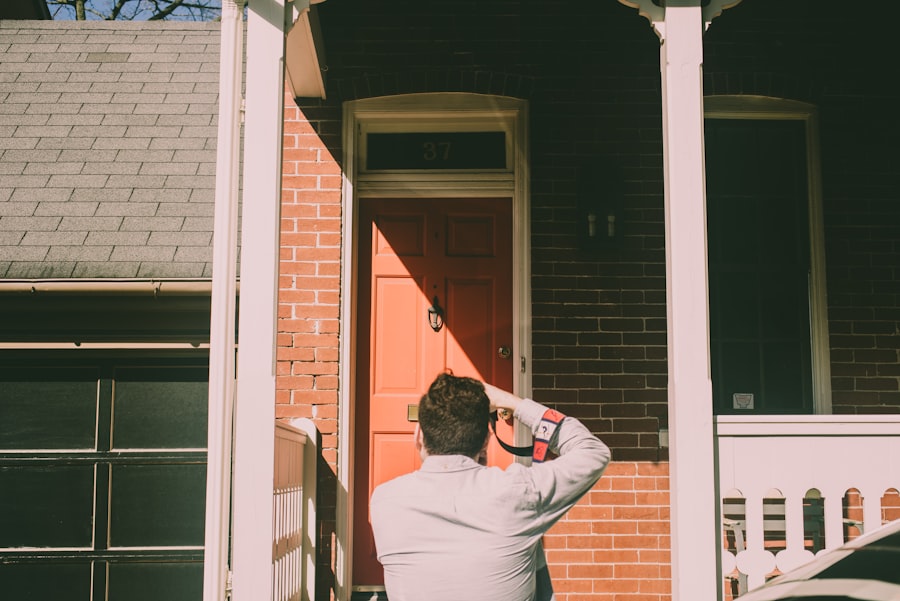
Every home has unique features that set it apart from others on the market. Whether it’s a stunning fireplace, high ceilings, or an updated kitchen, it’s essential to highlight these aspects during showings and in your marketing materials. Take some time to identify what makes your home special and think about how you can draw attention to these features.
For instance, if you have large windows that let in natural light, consider using light-colored curtains or blinds to enhance this effect. If your kitchen has been recently renovated, ensure it’s clean and clutter-free so that buyers can appreciate its modern design. You might also want to create focal points in each room that showcase these standout features.
For example, if you have a beautiful built-in bookshelf, consider styling it with tasteful decor that complements the overall aesthetic of the room. In outdoor spaces, highlight any landscaping or outdoor living areas that could be appealing for entertaining or relaxation. By emphasizing your home’s best features, you are not only making it more attractive to potential buyers but also helping them envision how they would enjoy living there.
Set the Right Price
| Metrics | Data |
|---|---|
| Competitor Prices | 10, 15, 20 |
| Cost of Production | 8 per unit |
| Customer Demand | 100 units per month |
| Profit Margin | 20% |
One of the most critical aspects of selling your home is setting the right price. Overpricing can deter potential buyers, while underpricing may lead to financial loss. To determine an appropriate price point, start by researching comparable homes in your area that have recently sold.
Look at their features, size, and condition to gauge where your home stands in comparison. You may also want to consider hiring a professional appraiser who can provide an unbiased assessment of your property’s value. Keep in mind that pricing is not just about numbers; it’s also about strategy.
If you’re looking for a quick sale, pricing slightly below market value can attract more interest and potentially lead to multiple offers. On the other hand, if you’re not in a rush, you might choose to price at or slightly above market value while being prepared for negotiations. Whatever approach you take, ensure that your pricing strategy aligns with your goals and the current market conditions.
Use High-Quality Photos and Videos
In today’s digital age, high-quality visuals are essential for marketing your home effectively. Most buyers begin their search online, so having professional photos and videos can make a significant difference in attracting interest. Invest in a skilled photographer who understands how to capture your home’s best angles and lighting.
Ensure that each room is well-lit and staged appropriately before the shoot; this will help create an inviting atmosphere in the images. Consider creating a virtual tour or video walkthrough of your home as well. This allows potential buyers to experience the layout and flow of the space from the comfort of their own homes.
Highlighting key features through video can provide context that static images may not convey. By utilizing high-quality photos and videos in your listings, you are increasing the chances of drawing in serious buyers who are eager to see more.
Utilize Social Media and Online Listings

In addition to traditional real estate listings, leveraging social media platforms can significantly expand your reach when selling your home. Share high-quality images and engaging content about your property on platforms like Facebook, Instagram, and Twitter. You can even create targeted ads that reach specific demographics likely to be interested in your home.
Engaging with local community groups on social media can also help spread the word about your listing. Don’t forget about online real estate platforms as well; ensure that your listing is featured on popular sites like Zillow, Realtor.com, and others relevant to your area. These platforms often have extensive reach and can connect you with potential buyers who may not be actively searching but could be intrigued by what they see online.
By utilizing both social media and online listings effectively, you are maximizing exposure for your home and increasing the likelihood of finding the right buyer.
Stage Your Home for Potential Buyers
Staging your home is an effective way to showcase its potential and make it more appealing to buyers. Professional stagers know how to arrange furniture and decor in a way that highlights each room’s strengths while minimizing any weaknesses. If hiring a professional isn’t within your budget, consider staging it yourself by using existing furniture and decor creatively.
Aim for a cohesive look throughout the house by choosing a color palette that flows from room to room. When staging, think about how each space will be used by potential buyers. For example, if you have an open-concept living area, arrange furniture to create distinct zones for lounging and dining without obstructing flow.
In bedrooms, use neutral bedding and minimal decor to create a serene atmosphere that allows buyers to envision their own style within the space. By staging effectively, you are helping buyers see themselves living in your home while making it more marketable.
Be Flexible with Showings and Open Houses
Flexibility is key when it comes to showings and open houses; accommodating potential buyers’ schedules can significantly increase interest in your property. While it may be inconvenient at times, being willing to show your home during evenings or weekends can make all the difference in attracting serious inquiries. Consider setting up a schedule for open houses that allows for ample time slots throughout the week so that interested parties have multiple opportunities to view your home.
Additionally, keep in mind that first impressions matter during showings as well; ensure that your home is clean and tidy before each visit. If possible, try to vacate the premises during showings so that potential buyers feel comfortable exploring without feeling rushed or awkward around current occupants. By being flexible with showings and open houses, you are demonstrating your commitment to selling while making it easier for buyers to envision themselves in your space.
Consider Hiring a Professional Real Estate Agent
Navigating the complexities of selling a home can be overwhelming, which is why many sellers choose to work with a professional real estate agent. An experienced agent brings valuable knowledge of the local market, pricing strategies, and negotiation tactics that can help you achieve the best possible outcome for your sale. They can also handle marketing efforts on your behalf, ensuring that your listing reaches a wide audience through various channels.
Moreover, having an agent means you’ll have someone by your side throughout the entire process—from preparing your home for sale to closing the deal. They can provide guidance on necessary repairs or updates while offering insights into what buyers are currently looking for in homes like yours. By enlisting the help of a professional real estate agent, you are positioning yourself for success while alleviating some of the stress associated with selling.
Make Necessary Repairs and Updates
Before listing your home, take stock of any repairs or updates that may be needed to make it more appealing to buyers. Addressing minor issues such as leaky faucets or chipped paint can go a long way in creating a positive impression during showings. Buyers often look for homes that require minimal work upon moving in; therefore, investing time into making necessary repairs can enhance your property’s value.
Consider whether any larger updates could yield a good return on investment as well—such as replacing outdated appliances or refreshing bathroom fixtures. While you don’t need to undertake major renovations before selling, small updates can make a significant difference in how buyers perceive your home’s condition. By taking care of necessary repairs and updates ahead of time, you are demonstrating pride of ownership while increasing the likelihood of attracting serious offers.
Be Prepared for Negotiations and Closing Process
Once you’ve attracted interest in your home and received offers from potential buyers, it’s time to prepare for negotiations and the closing process. Understand that negotiations are often part of selling real estate; being open-minded about offers can lead to successful outcomes for both parties involved. Work closely with your real estate agent during this phase—they can provide valuable insights into market trends and help you navigate counteroffers effectively.
As you move toward closing, be prepared for various steps such as inspections, appraisals, and paperwork requirements that may arise along the way. Staying organized throughout this process will help ensure everything goes smoothly when finalizing the sale of your home. By being proactive during negotiations and prepared for closing procedures, you are setting yourself up for success while making this transition as seamless as possible.
In conclusion, selling your home requires careful planning and execution across multiple facets—from enhancing curb appeal to navigating negotiations effectively. By following these strategies outlined above, you’ll be well-equipped to attract potential buyers while maximizing both interest and value for your property.